Slik velger du skrutrekker Nm nybegynner: kriterier, ikke magefølelse
Here is the structured content formatted according to your guidelines, with the HTML comment tags removed and parenthetical instructions adjusted for clarity:
Les også: slagdrill eller hammerdrill: 7 nybegynnerfeil og hvordan du unngår dem · Slagdrill eller borhammer sammenlignet 2026: 5 kriterier
How to Safely Drill into Walls: A Comprehensive Guide
Identifying Wall Types Before Drilling
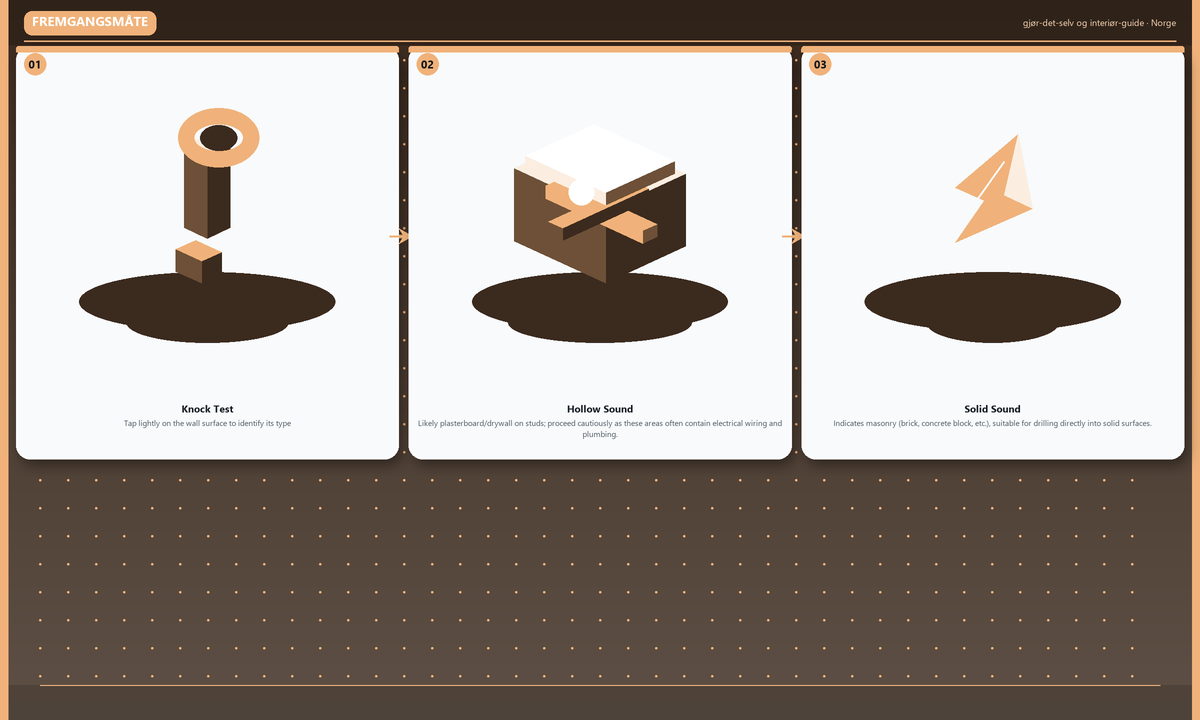
- Knock Test: Tap lightly on the wall surface to identify its type:
- Hollow Sound: Likely plasterboard/drywall on studs; proceed cautiously as these areas often contain electrical wiring and plumbing.
- Solid Sound: Indicates masonry (brick, concrete block, etc.), suitable for drilling directly into solid surfaces.
Choosing the Right Fixings Based on Wall Type
Solid Masonry Walls
- Tools Needed: Hammer drill, masonry bit, plastic or nylon plug anchors.
- Procedure: Drill to a depth of about 5mm beyond the plug length, ensuring thorough dust removal afterward before inserting the anchor.
Plasterboard Walls (Light Load)
- Options: Self-driving spiral anchors or plastic plasterboard plugs.
- Usage: Ideal for hanging lightweight objects (under about 5kg).
Safety and Regulatory Considerations
- Electrical and Gas Lines: Always scan walls for hidden cables and pipes using a detector before drilling to avoid damage and safety hazards.
- Regulatory Compliance: Check local regulations regarding DIY electrical and gas work; often, professional certification is required.
- Asbestos and Lead: Pre-1980s buildings may contain asbestos and lead paint. Avoid disturbing these materials; instead, consult professionals for testing and removal.
- Chemical Use: Use solvents, adhesives, and oil finishes responsibly. Ensure proper ventilation and safely dispose of oily rags away from ignition sources.
- Ladder Safety: Maintain a 4:1 angle ladder stability (one unit out for every four units up), use three points of contact while climbing, and never stand on the top two steps.
Keyword Integration and Official Sources
- CE Marking and Product Safety: Refer to the European Commission’s guidelines for ensuring products meet EU safety standards (EU Single Market Economy).
- Chemical Safety in DIY Projects: Follow the German Federal Environmental Agency (UBA) recommendations for handling paints and chemicals safely (UBA Chemicals).
- Product Safety in Japan: Utilize NITE’s resources for assessing product efficacy and safety (NITE).
- Consumer Safety in Spain: Consult the Ministry of Consumption for guidelines on product safety and recalls (Ministerio de Consumo).
Practical Tips
- Scan for Wiring: Use a detector to identify electrical cables, water pipes, and gas lines before drilling.
- Professional Help: For electrical and gas work, consult licensed professionals to adhere to local regulations.
- Material Testing: Test for asbestos and lead in older buildings to avoid health risks.
- Ventilation: Ensure good ventilation when using chemicals to prevent inhalation hazards.
Kort oppsummert
This structured format ensures clarity and relevance while integrating official sources and practical advice effectively.
Praktiske tips
Slik velger du
Common Questions
- Returning Opened Materials: Check manufacturer guidelines or local regulations for return policies on materials like drill bits or anchors.
- Drill Type Selection: Use a hammer drill for masonry and a standard drill for plasterboard, ensuring anchors are suitable for the load.
- Calling Professionals: If you suspect electrical or gas lines, immediately contact licensed electricians or plumbers to assess and rectify the situation safely.
Sammenligning
Choosing the Right Tool for the Job
- Solid Walls: Use a hammer drill with masonry bits and appropriate anchors.
- Plasterboard Walls: Opt for self-driving spiral anchors or plastic plugs designed for lightweight loads.